India has 22 official languages, and a single video rarely speaks to all of them. A brand film that lands well in Mumbai may feel distant to a viewer in Chennai or Hyderabad. Subtitles can bridge some of that gap, but they ask the audience to read while they watch. Dubbing removes that effort. People simply hear the content in the language they think and speak in.
Doing it well takes more than a translated script, though. The new voice has to fit the speaker, the mood, and the timing of every scene. This guide covers the languages you can dub into, how a dubbing project moves from brief to delivery, and what to expect on timelines.
Dubbing means replacing the original voice in a video with a recording in another language. The audio is made in a studio and then matched to the picture so it feels natural on screen.
G-Corp Media, a Mumbai company, works on dubbing for a wide range of content:
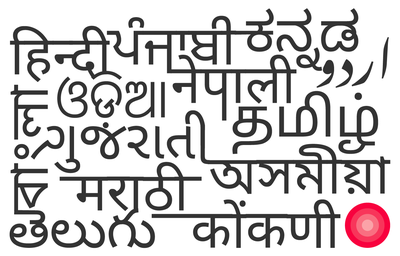
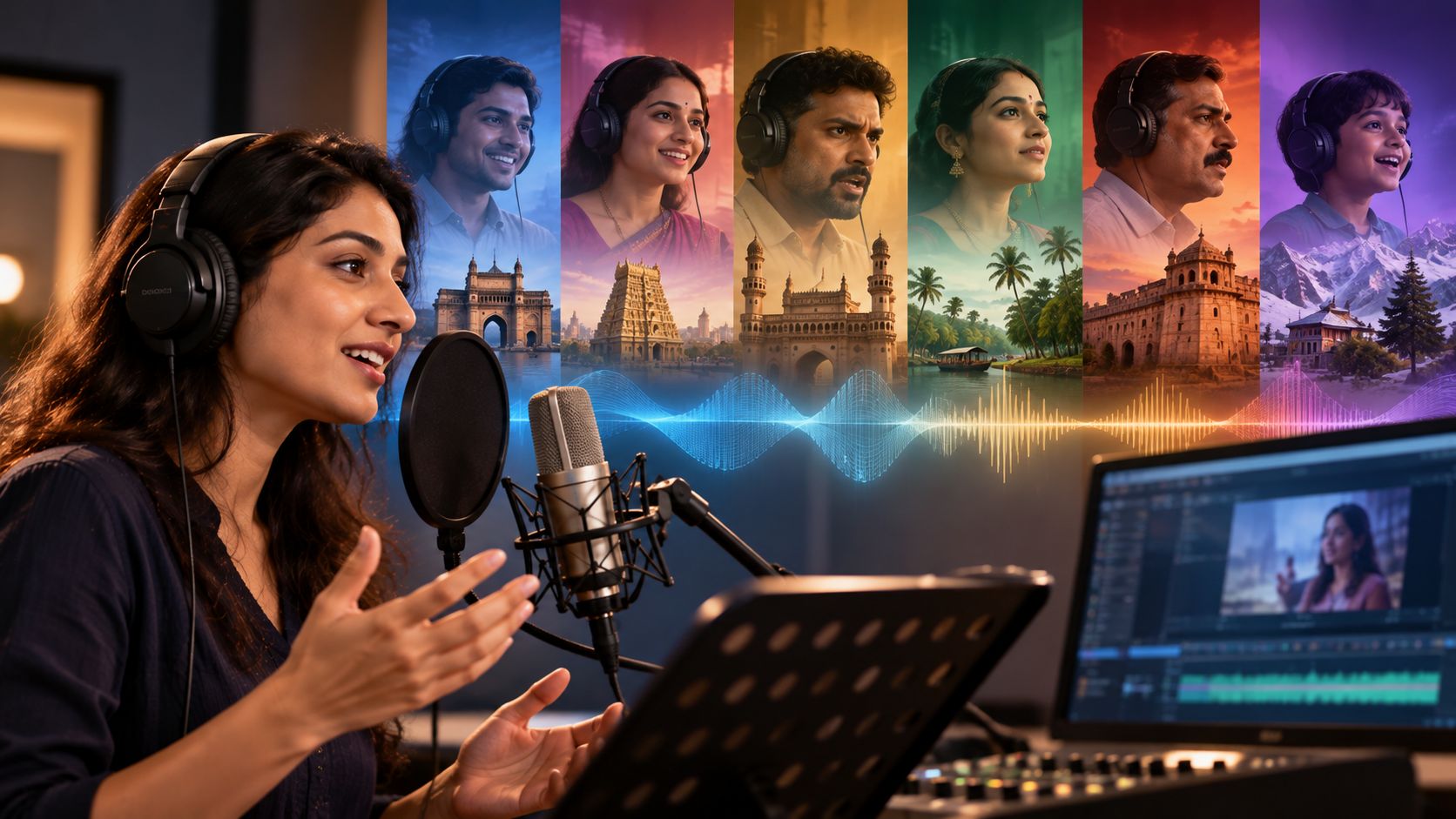
G-Corp Media offers dubbing and voice-over in all 22 official Indian languages. That covers the ones most buyers ask about first: Hindi, Tamil and Telugu. It also covers Marathi, Malayalam, Kannada, Punjabi, Gujarati and Bengali, among others.
Projects that need international audiences are handled too. Multilingual recording is available in:
A few more languages are available beyond this list.
You begin by sharing your requirements. From there, G-Corp Media handles voice casting, recording, editing, synchronization, and final delivery, so you don’t have to coordinate each stage yourself. Here is what each part involves.
Tell the team what the video is, who will watch it, and which languages you need. A clear brief makes the casting step far easier, because the right voice depends on the audience and the tone of the content.
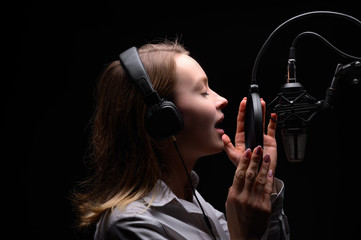
Clients pick from a large database of male and female voice artists, along with experienced in-house talent. Fresh voices are part of the mix, and so are child voice artists of various ages.
If your project calls for character voices, regional dialects, or a particular accent, the team can help you find a good match. There is also a collection of character voice samples, including styles inspired by popular Bollywood personalities and animation.
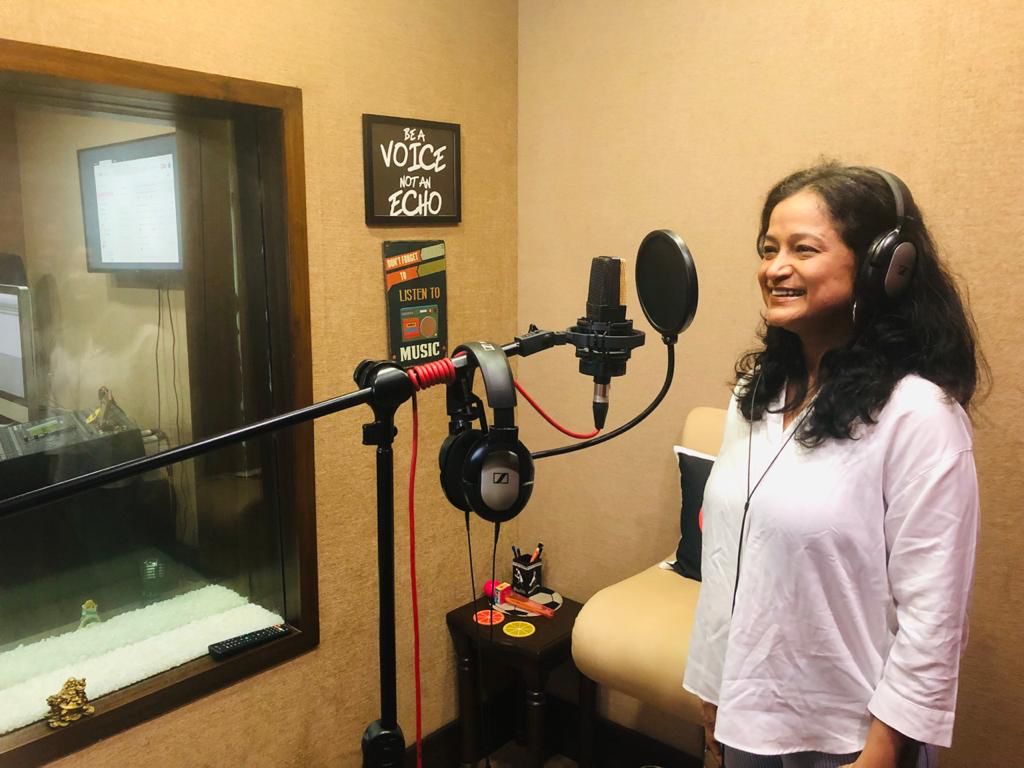
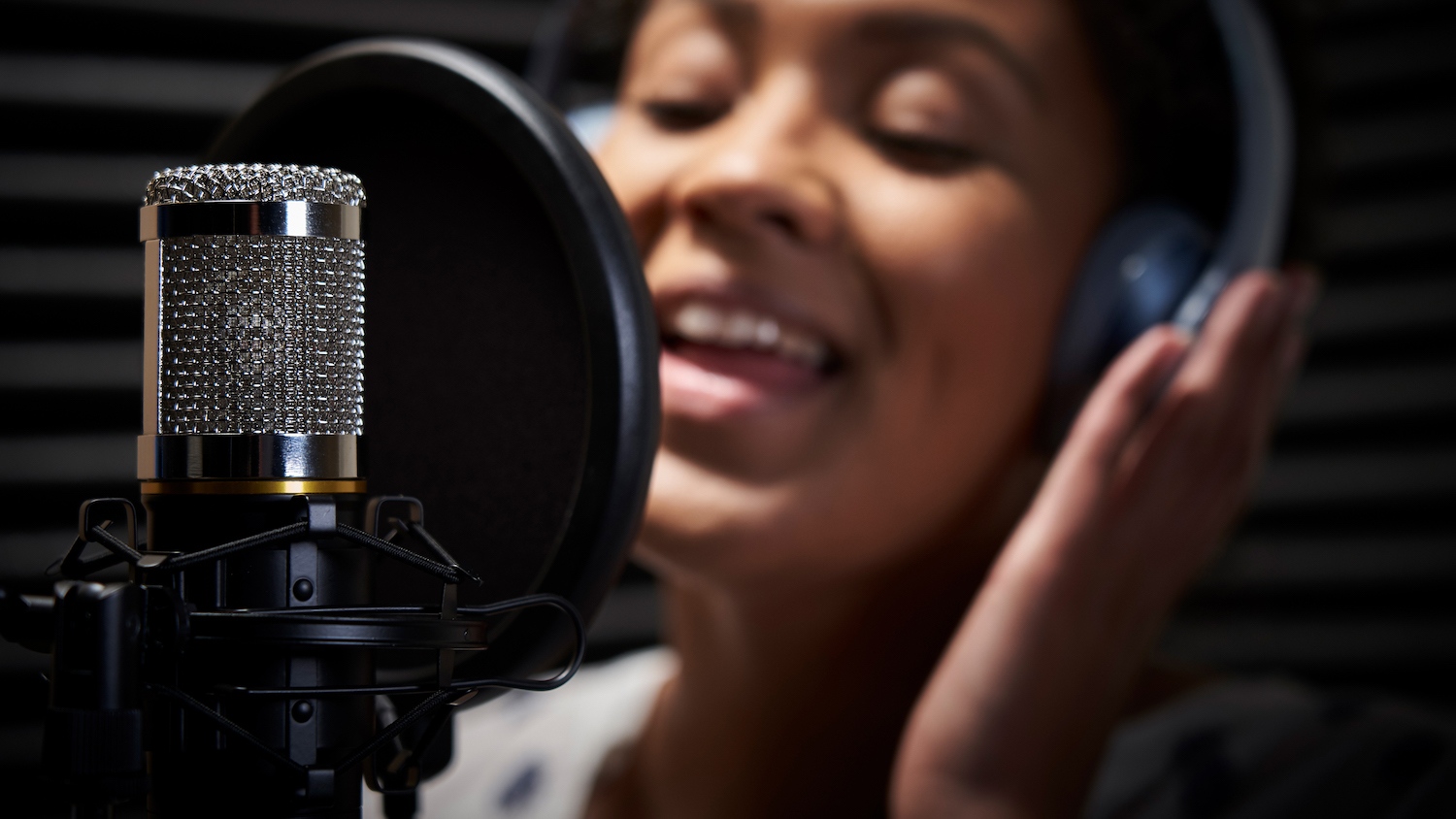
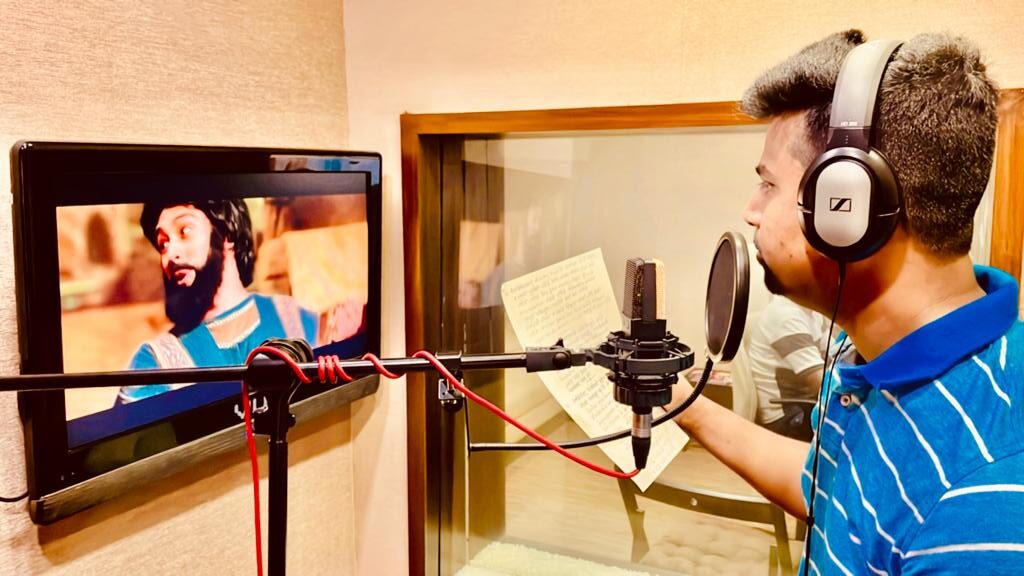
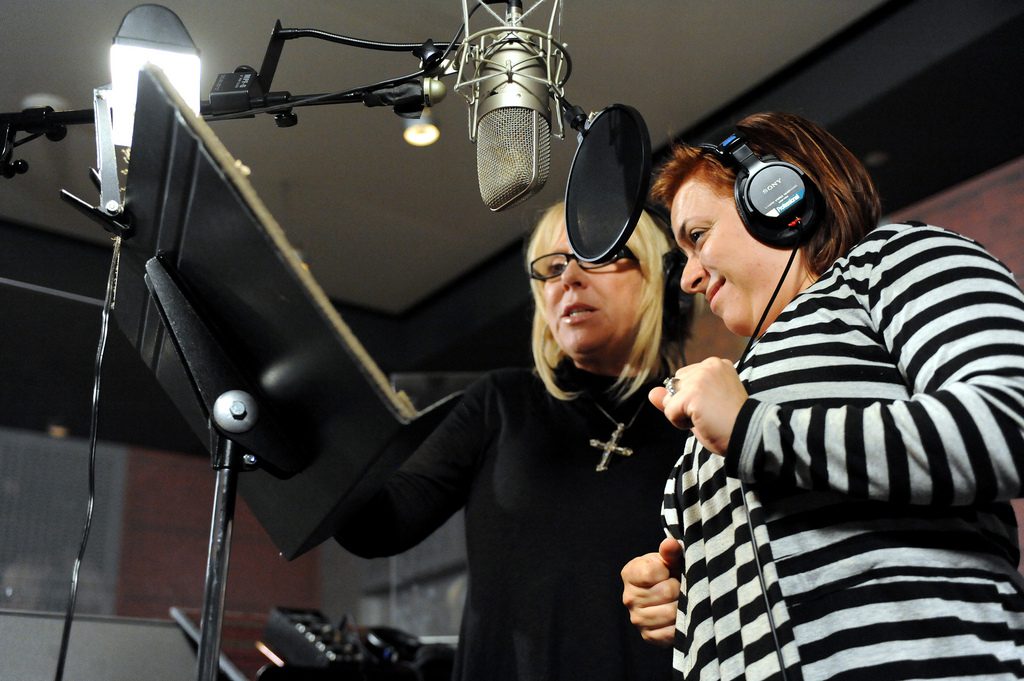
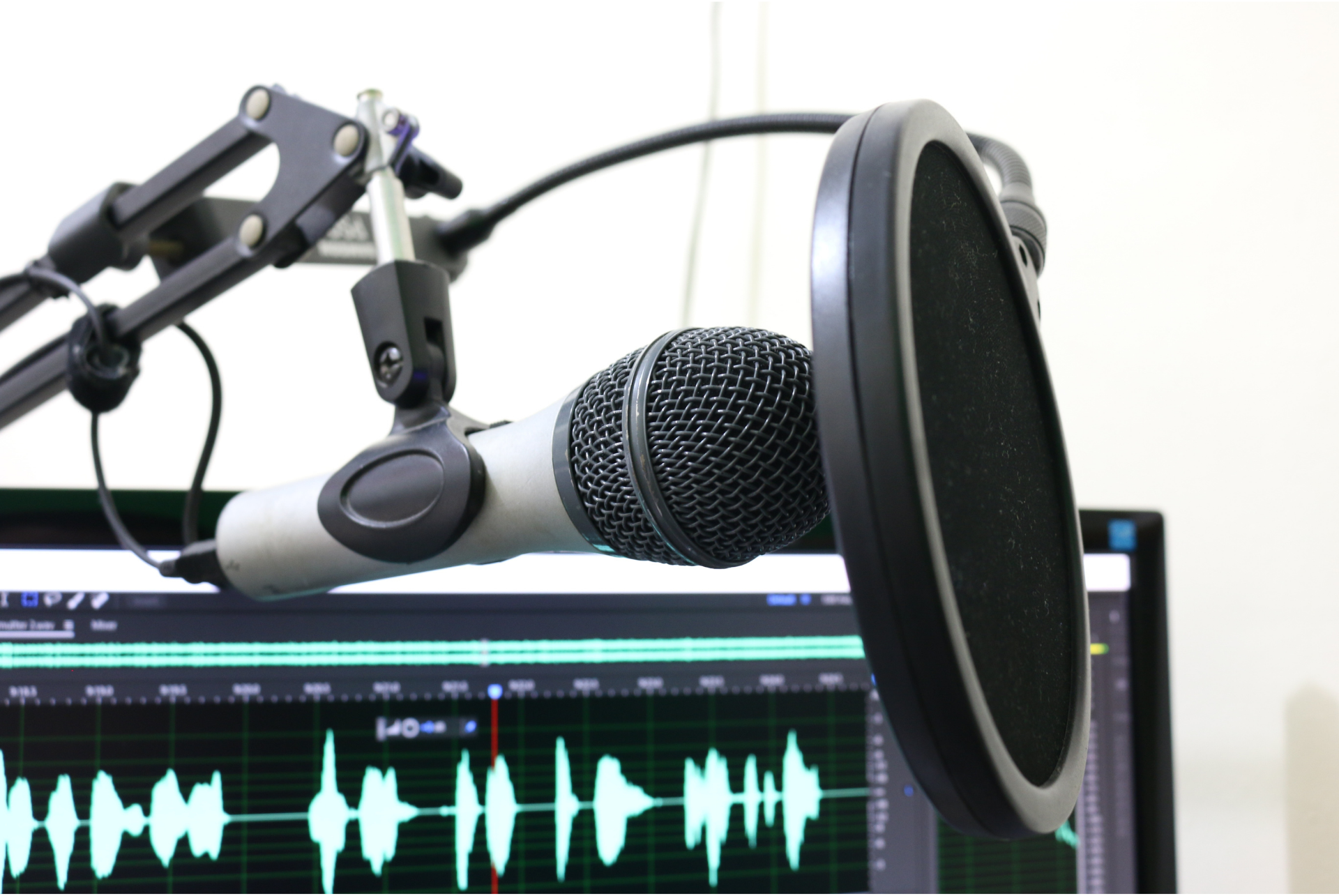
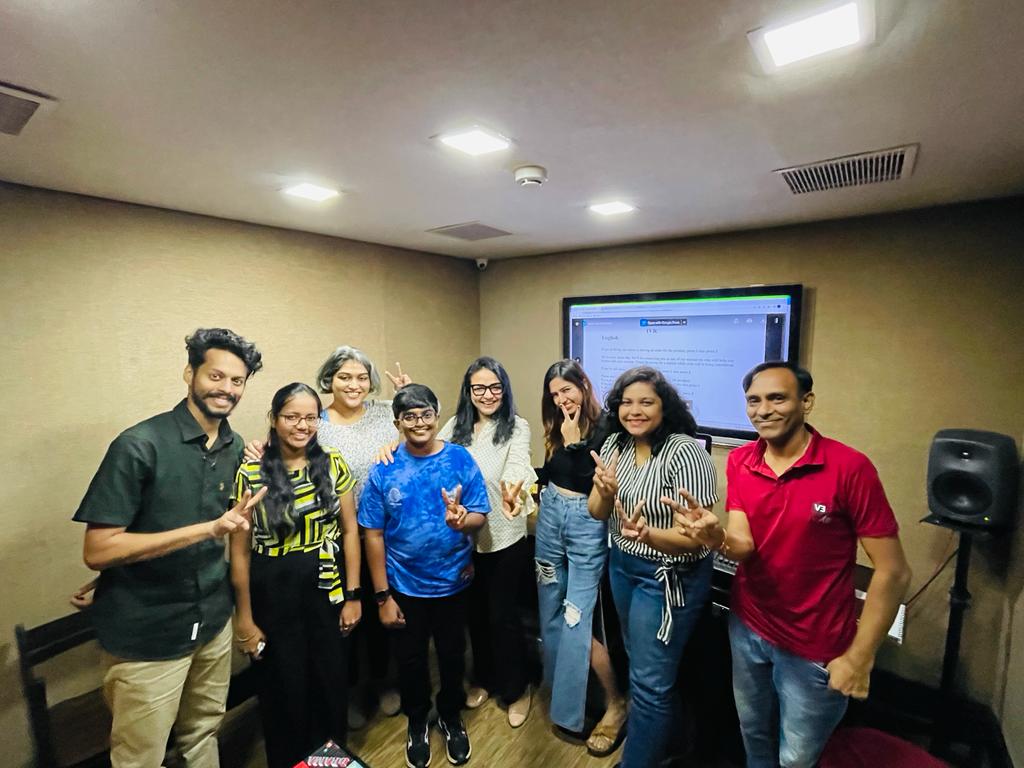
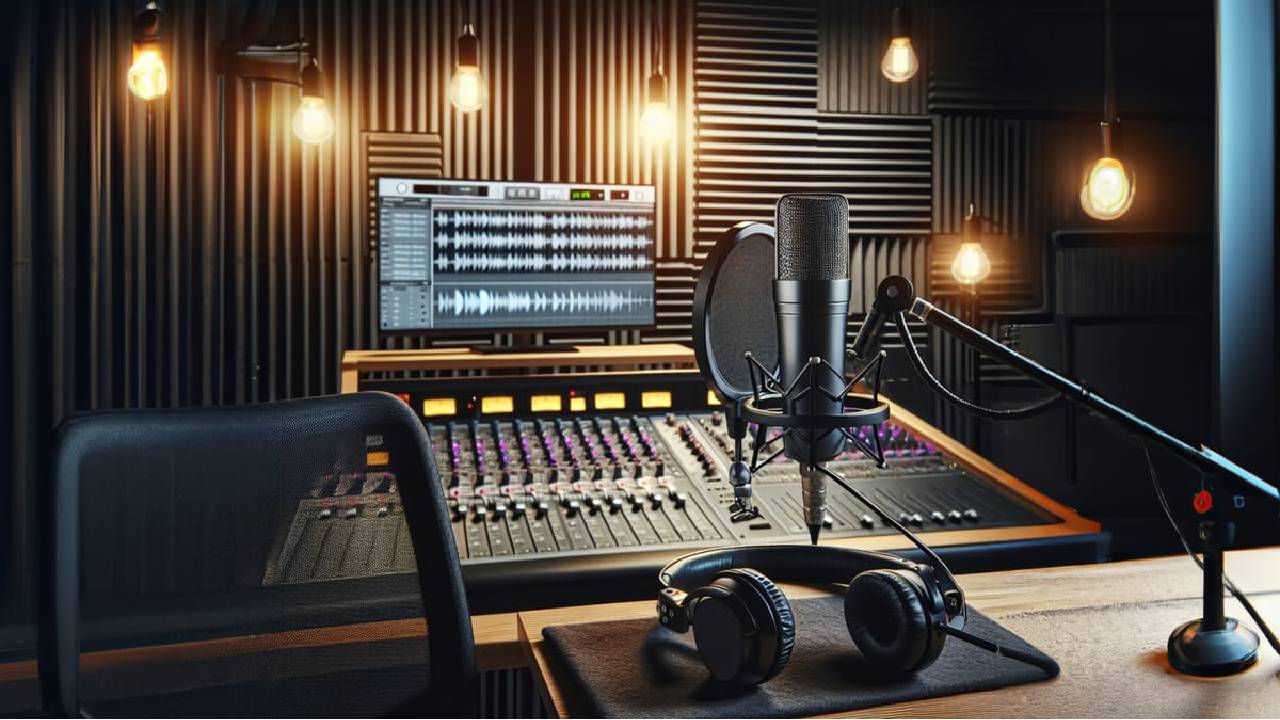
Sessions take place at the dubbing studio in Andheri, Mumbai. Sound engineers, voice directors, and dubbing professionals work together on each project, using advanced recording technology.
After recording, the audio is edited and fitted to your footage. This is the stage where the voice is timed to what viewers see on screen.
The finished audio is delivered at broadcast quality. Supervisors and sound engineers review each recording against industry standards before it goes out.
Timelines are fixed with the client when the project begins, so there isn’t one standard duration. What G-Corp Media commits to is quick turnaround and strict delivery schedules, with content delivered within the agreed dates.
If you have a launch date or a broadcast slot, mention it in your first conversation. It is much easier to plan around a deadline you know about at the start.
The Voice Overs & Dubbing service goes beyond dubbing itself. It also includes:
A strong translation can still fall flat if the recording is weak. Muffled sound, uneven volume or a voice that doesn’t suit the character will pull viewers out of the story quickly.
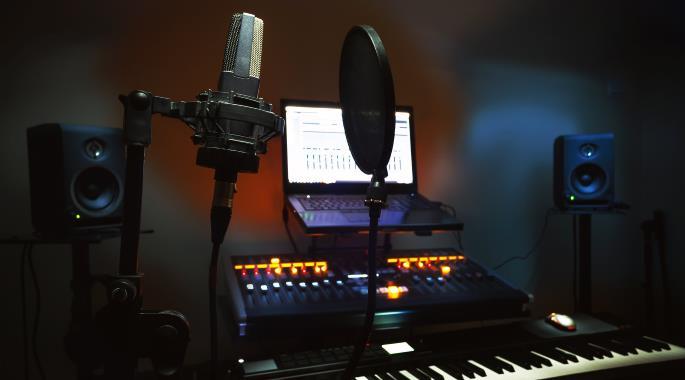
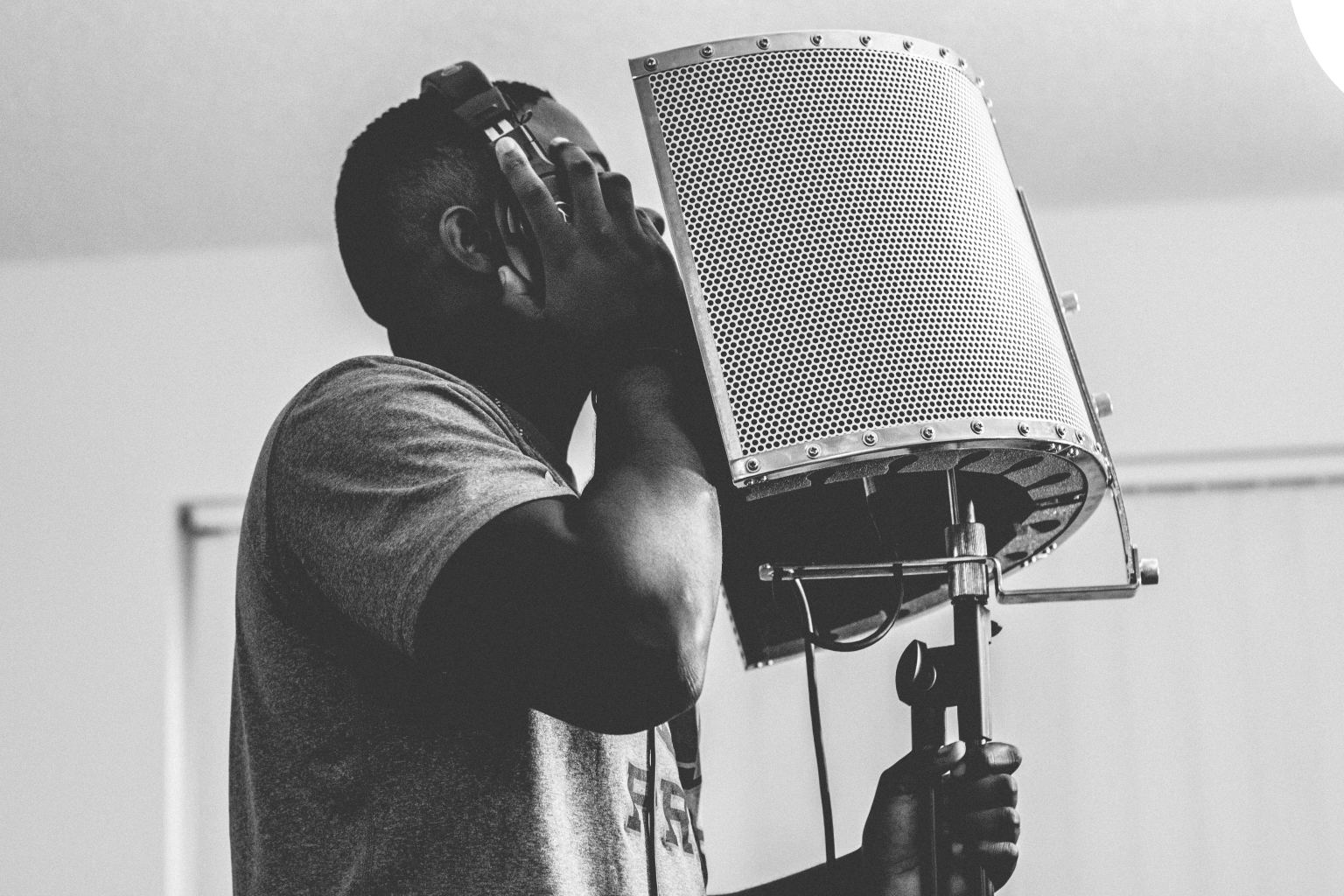
G-Corp Media’s Mumbai studio uses best-in-class equipment and software to capture sound cleanly. Many reputed voice artists treat it as a second home, which says something about how often it is used for serious recording work.
G-Corp Media Private Limited offers audio, video, training, and content services under one roof. The company has been serving clients since 2006, and its numbers reflect that history:
Its clients include individuals, corporates, media houses, and production houses in India and abroad.
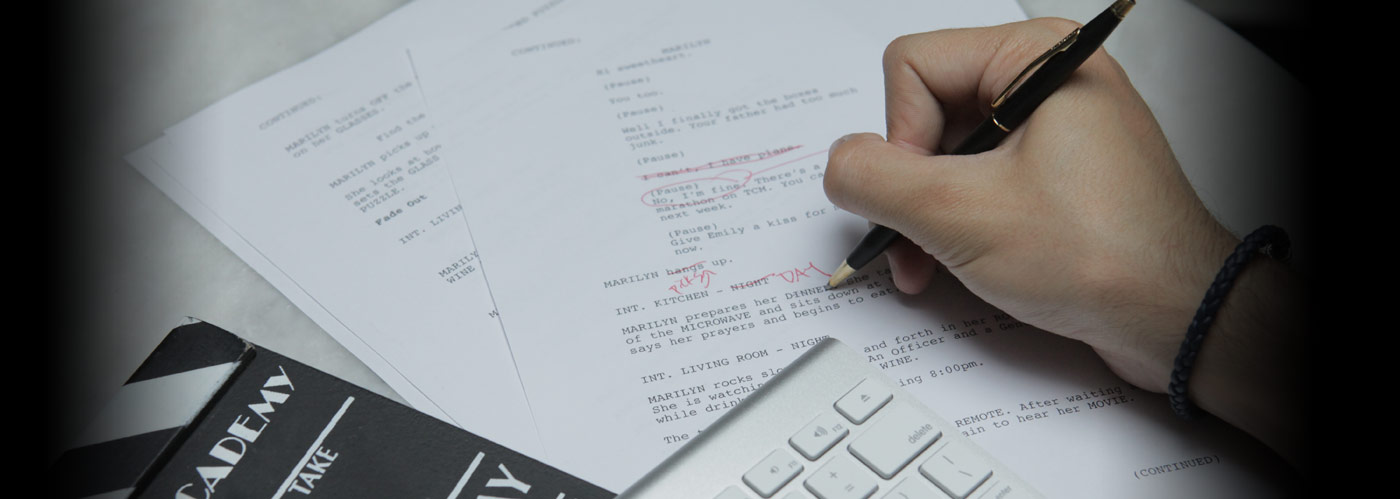
Many dubbing projects start with a script that exists in only one language. G-Corp Media has a separate Content & Translation service for this, with content creators, translators, and transcriptionists working in all Indian and popular global languages. It can save you from hiring a second vendor before recording even starts.
Dubbing lets one video reach viewers across India’s many languages. The path is straightforward: share your brief, cast the voice, record, edit, sync, and deliver.
G-Corp Media covers all 22 official Indian languages and several international ones, backed by a wide pool of voice artists and a professional studio in Andheri, Mumbai. Timelines are set for each project, so the best move is to settle your schedule before recording begins.
If you are planning to dub a video into Hindi, Tamil, Telugu, or another language, reach out to the G-Corp Media team through the Contact Us page and share your project details.