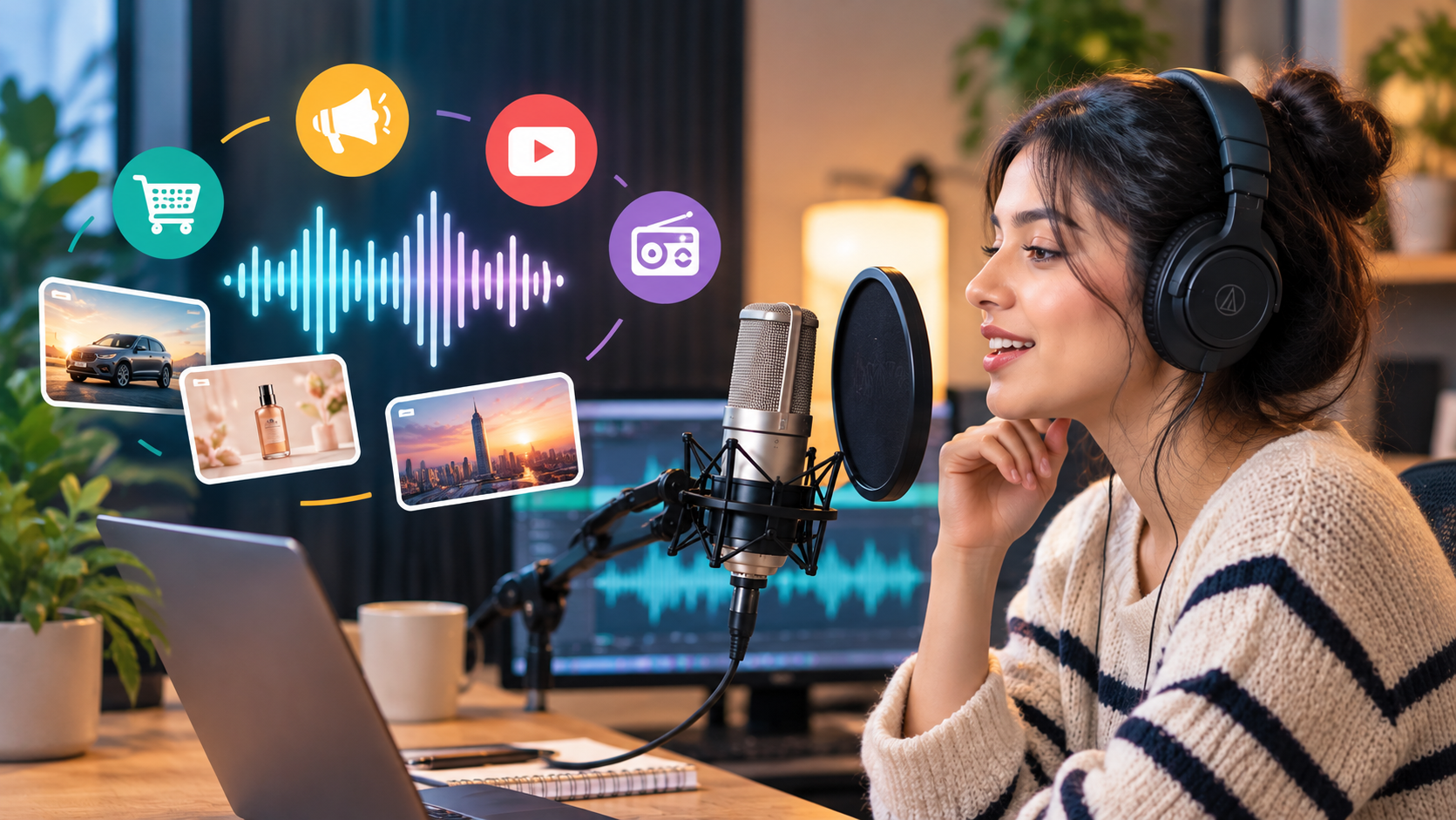
Advertising has always depended on sound as much as picture. Radio built its audience on voice alone, and television commercials rely on a narrator to carry the message while the visuals play. Digital video has added more places where a brand is heard, from social feeds to product pages.
Across these formats, the voice has a clear job. It sets the tone, signals the character of the brand, and helps the audience decide how much to trust what they hear.
For marketing teams, this means choosing a voice-over artist is a strategic decision rather than a final production step. This post explains what commercial voice-over services involve, how tone shapes audience response, and what to look for when selecting a studio.
Commercial voice-over services cover the recorded voice in an advertisement. That includes TV commercials, radio spots, jingles, explainer videos, corporate films, and product videos. A professional studio usually handles more than the recording itself.
A full service typically includes:
When one team manages these steps, the brand does not have to piece that work together from different vendors.
A viewer usually decides within the first few seconds whether a video is worth watching. If the voice sounds flat, rushed, or out of step with the brand, interest drops. This happens even when the visuals and script are strong.
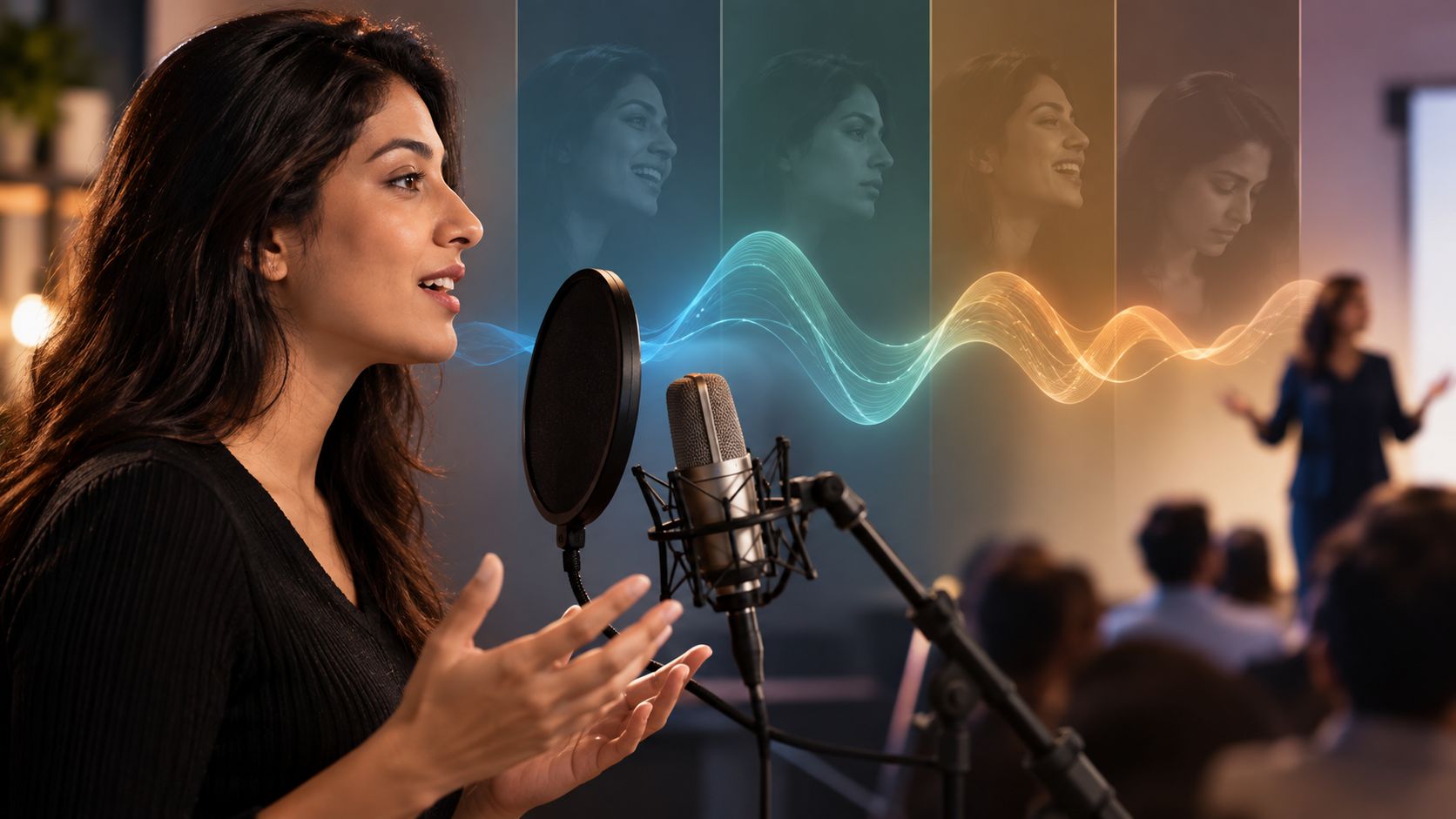
Tone also shapes how people feel about a brand before they have fully understood the message. The script says what needs to be said. The tone decides whether people believe it.
A few patterns come up again and again in video production:
Getting someone to click, buy, or sign up depends on more than the offer. The viewer has to trust what they just heard. When the tone is right, several things tend to happen.
None of this needs to be dramatic. Small changes matter most. A touch slower in one line or a bit warmer in another can change how a line is received.
Before you book a recording, it helps to ask a few plain questions:
It is also worth testing more than one voice. Two artists can read the same line and leave very different impressions. Hearing both side by side often makes the choice easy.
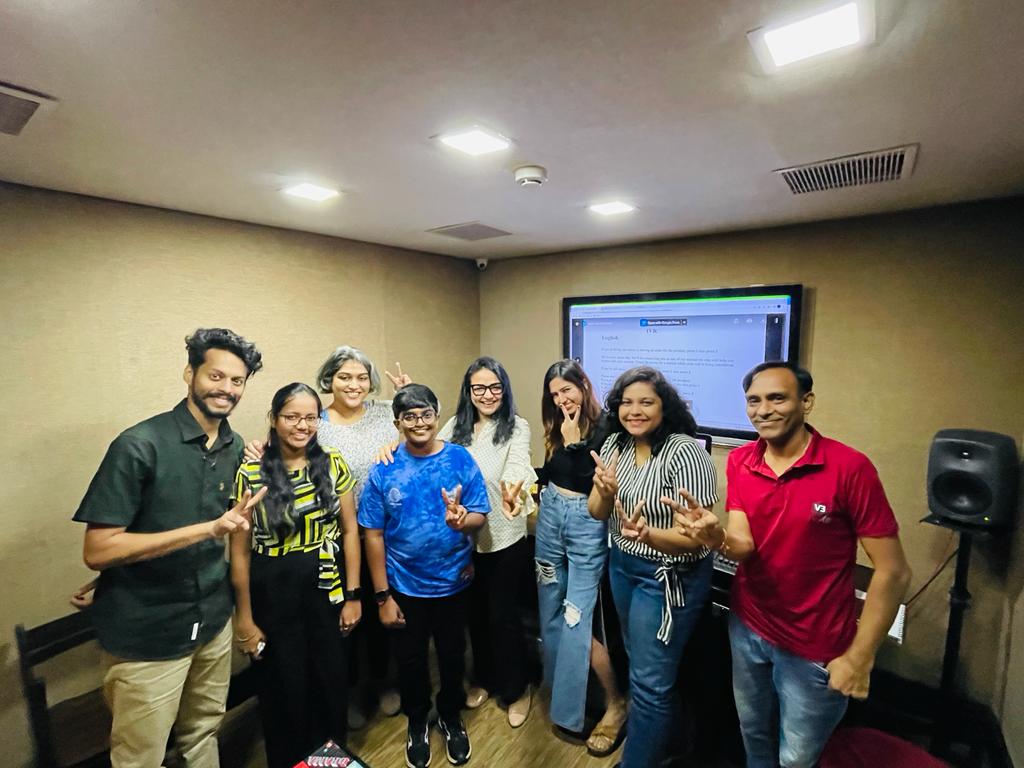
G-Corp Media Private Limited is a Mumbai-based media company that has been serving clients since 2006. The team has completed more than 5,000 content creations and over 2,000 voice-over projects. Its work covers commercials, corporate films, e-learning, explainer videos, IVR, and dubbing.
For ad work, a few strengths stand out:
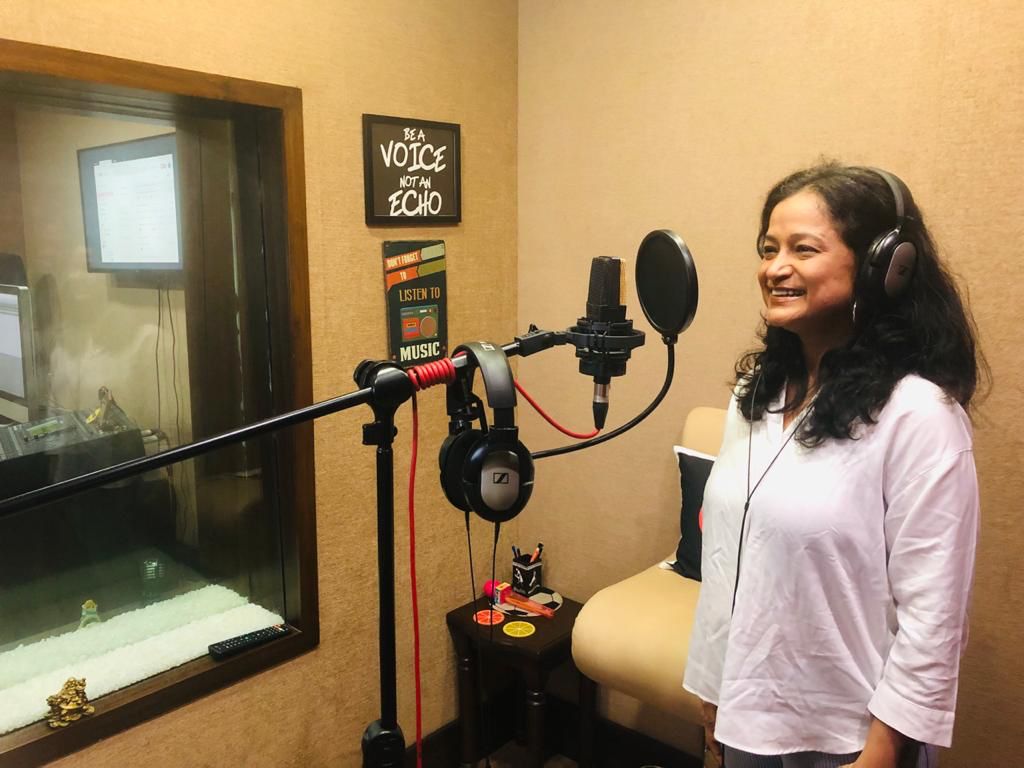
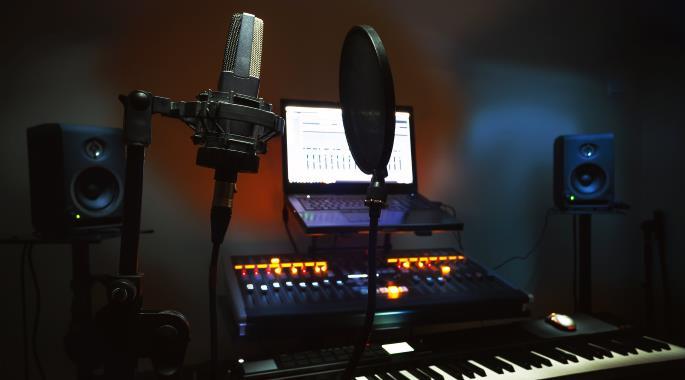
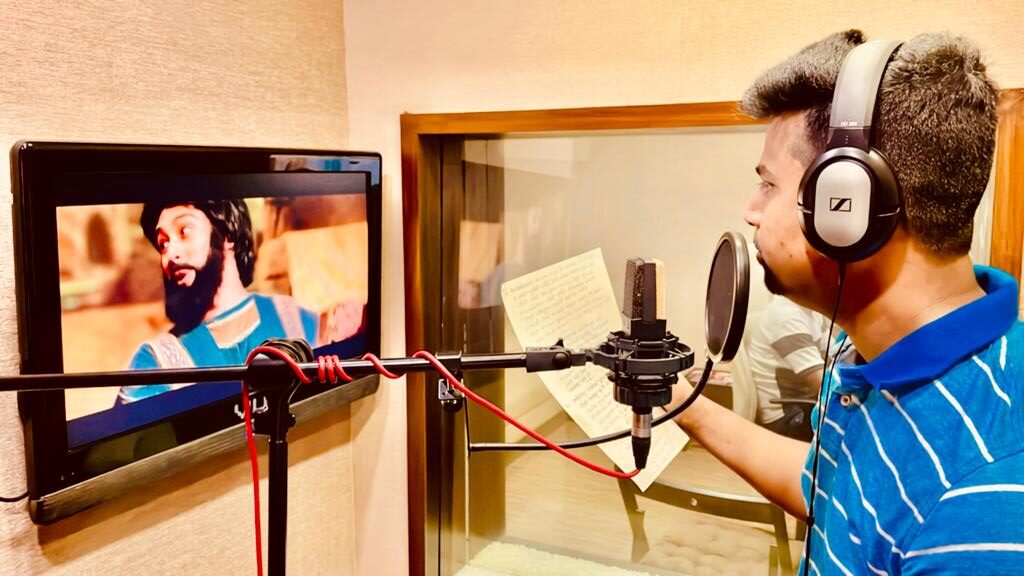
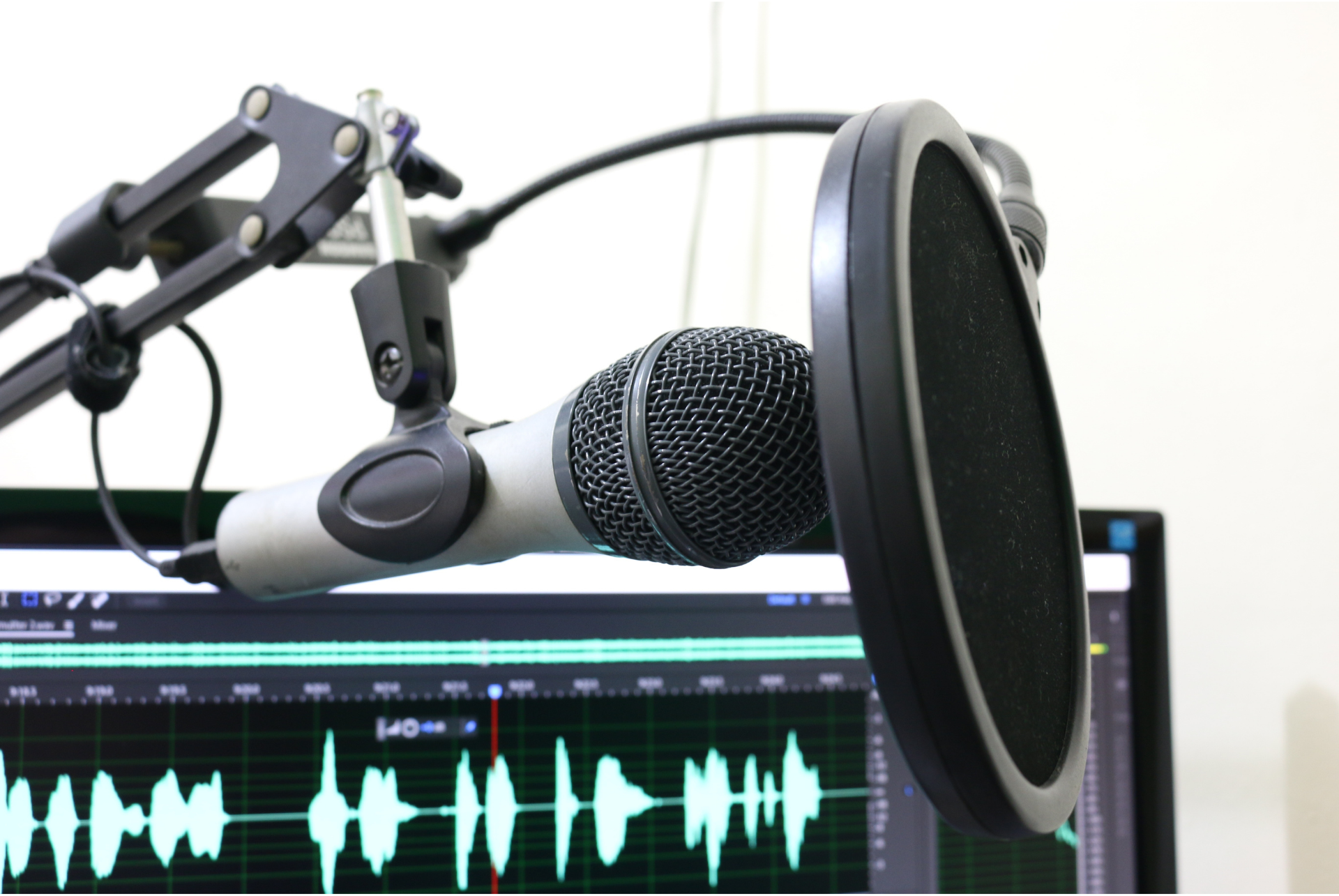
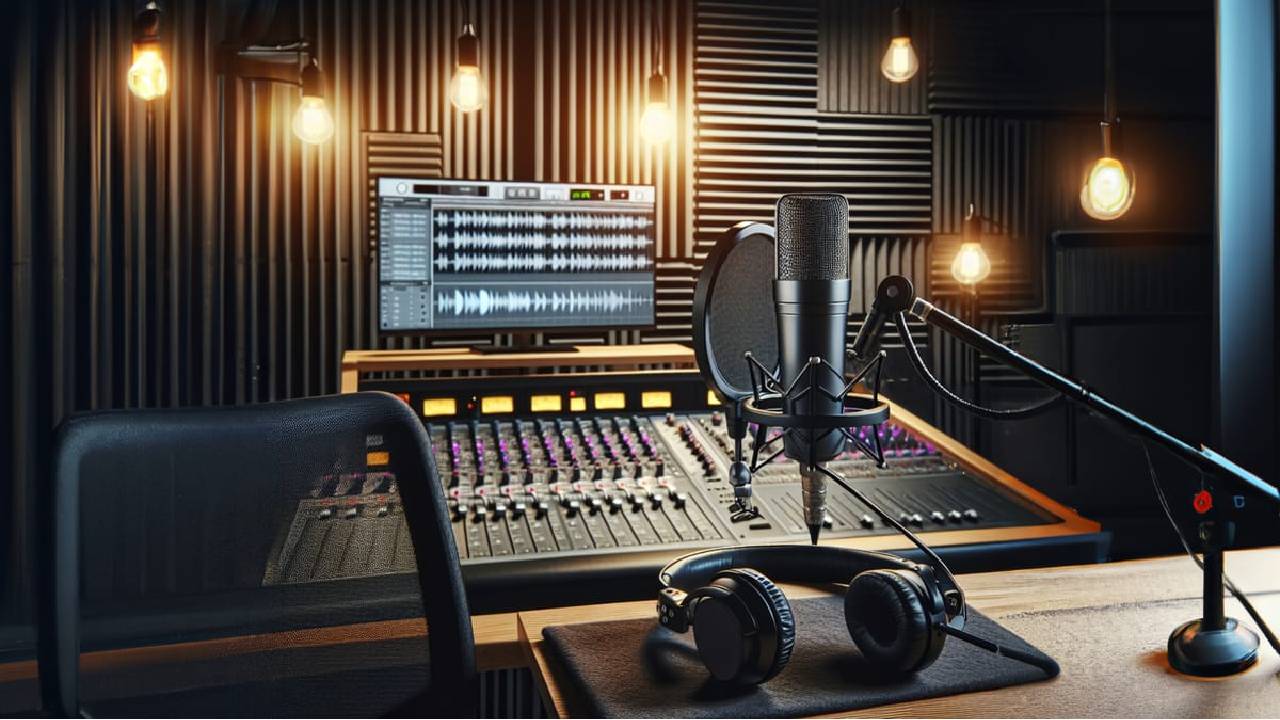
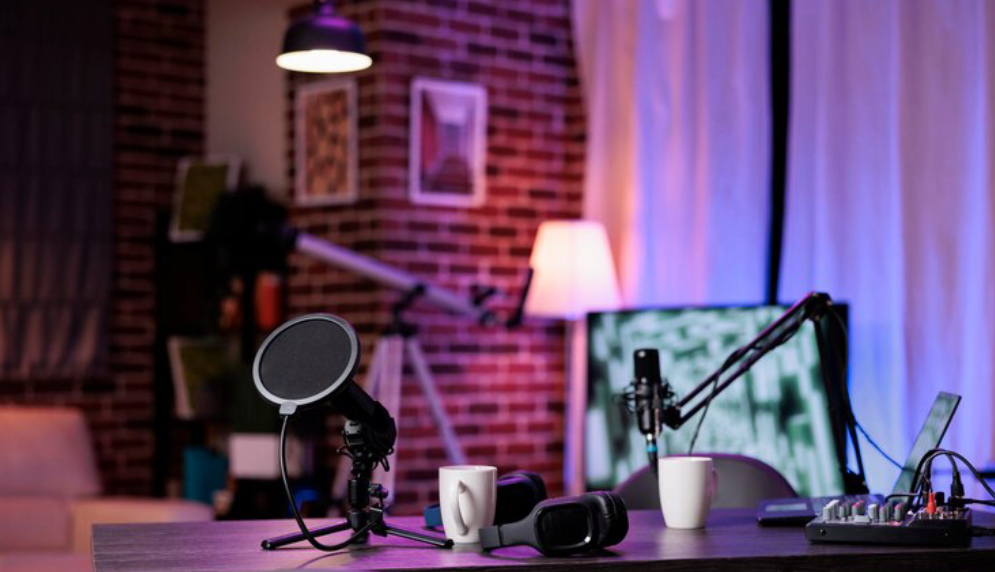
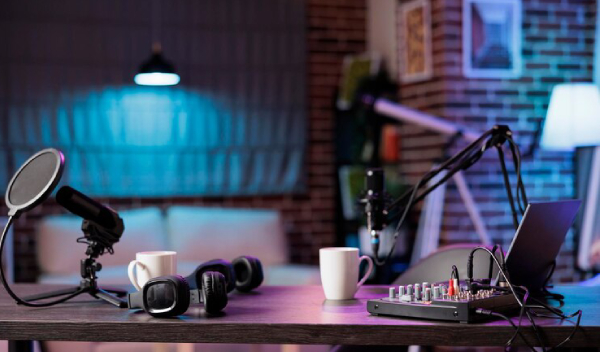
The studio itself is in Andheri, Mumbai. It is equipped with advanced recording technology and is also used by podcasters, content creators, and production houses.
Brands often want to know what the process looks like before they commit. The team handles casting, recording, editing, synchronization, and final delivery. You share your requirements, and the studio takes it from there.
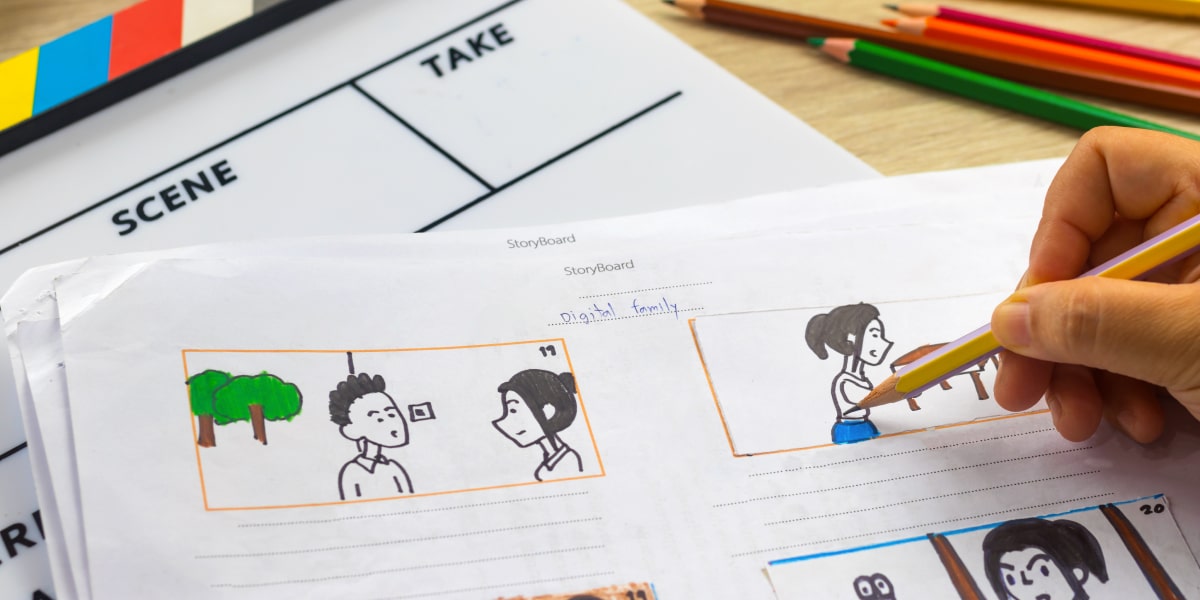
The wider team can also help earlier in the process. Besides voice work, the company has people who can ideate, write scripts, shoot, produce, and shape the final creative. Support begins at the storyboard stage and runs through to the finished piece.
Here is how a typical ad project moves:
The studio is known for sticking to agreed timelines, which matters when a campaign has a fixed launch date.
Brands often ask this before booking, so here is a direct answer. The studio records voice-overs for these formats:
Music is part of the service mix too. The company produces jingles and creates music for brand needs, so a voice and a tune can come from the same team.
Text-to-speech tools can produce a voice track in minutes, and some businesses use them for quick internal videos. G-Corp Media does not treat AI as something to ignore. The studio has voiced and trained talent for chatbots and other AI-enabled services, and has helped artists prepare for voice assistant work.
Still, the two options solve different problems. A quick internal training clip may work well with a synthetic voice. A brand film, a product launch, or any ad meant to build an emotional connection usually calls for a real artist. A human performer can adjust delivery as the session goes and connect with the audience in a way that a synthetic voice struggles to match.
A few habits make any commercial recording go more smoothly:
A good commercial does more than state a message. It makes people believe it, and the voice carries much of that weight. Tone shapes trust, and trust is what turns a viewer into a customer.
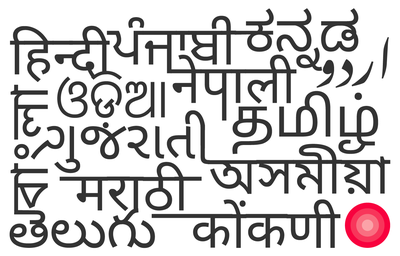
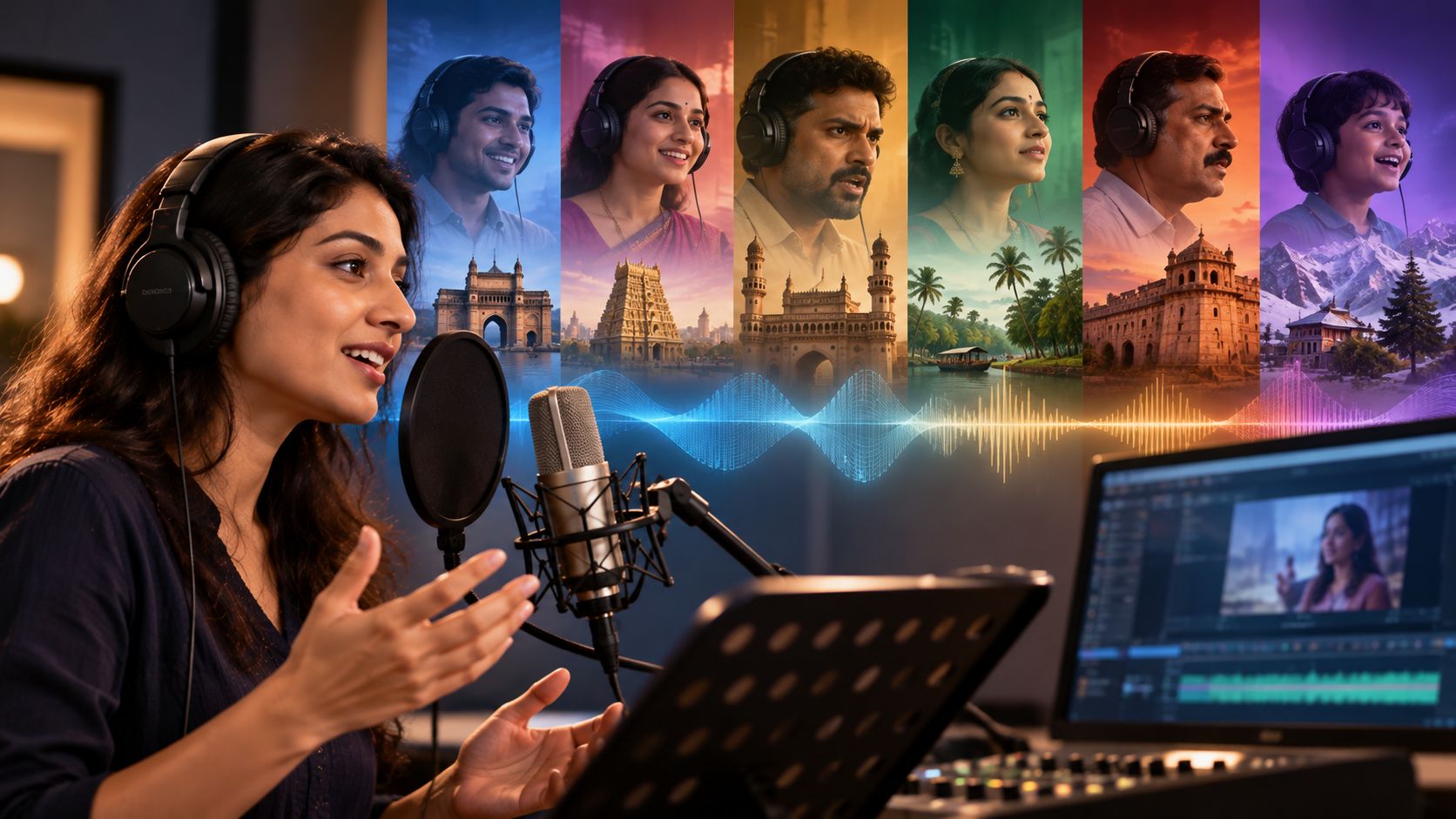
G-Corp Media offers male, female, and child voices in 22 Indian languages and several international ones, backed by experience since 2006.
If your next campaign needs a voice that fits your brand, get in touch with G-Corp Media in Mumbai to discuss your commercial voice-over requirements.