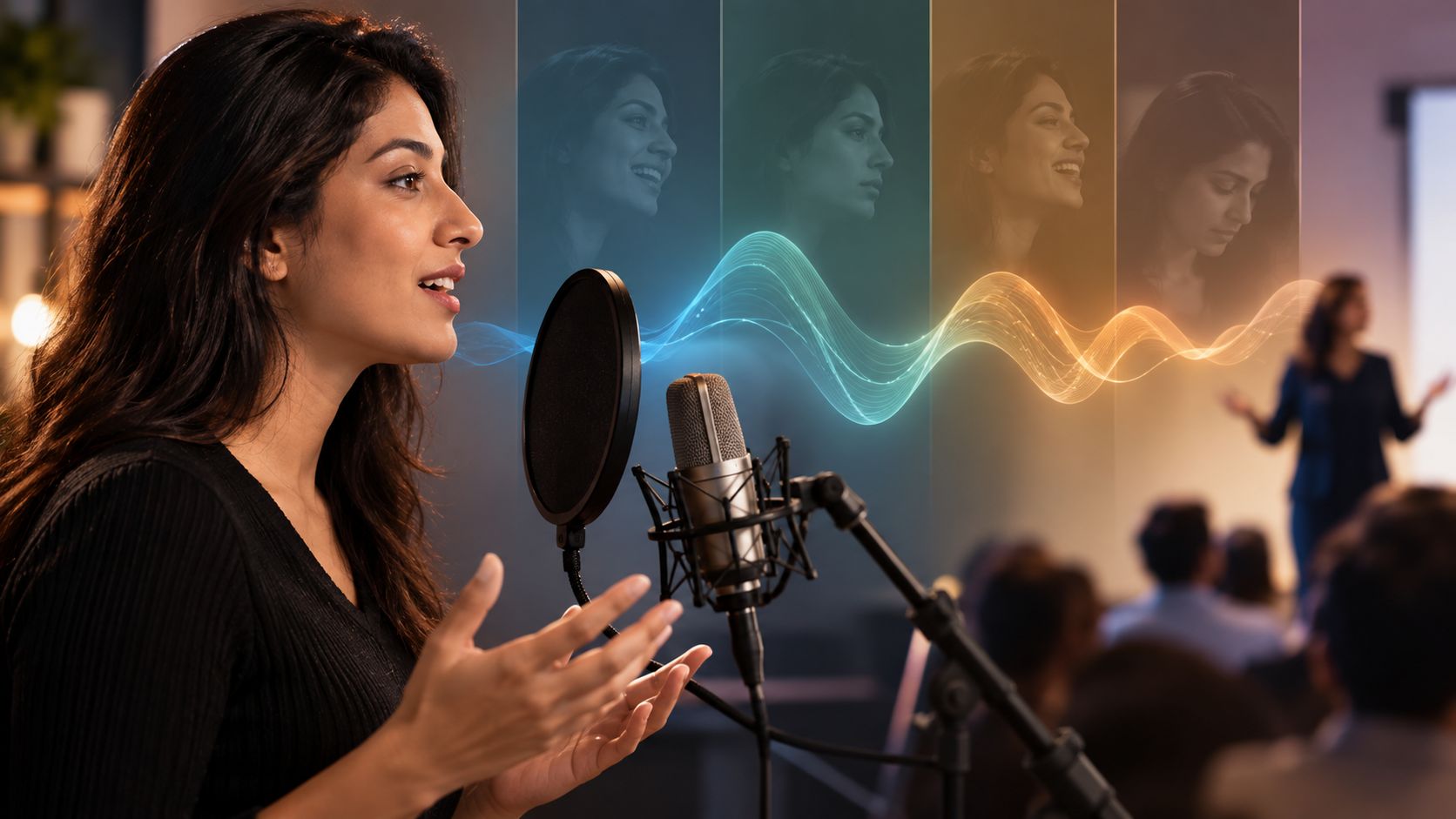
Voice technology has changed fast. Text-to-speech tools can now produce a voice track in minutes, and many businesses use them for quick internal videos or basic narration. At the same time, big brands, film studios, and advertising agencies keep going back to real voice artists for the work that matters most.
This is not because AI tools are useless. It is because the two options solve different problems, and brands are learning where each one fits.
This guide looks at why tone, trust, and human judgment still shape the choice, and how a studio like G-Corp Media in Mumbai fits into both sides of that conversation.
Why Tone Still Comes Down to a Human Voice
A viewer usually decides within the first few seconds whether a video is worth watching. If the voice sounds flat, rushed, or out of step with the brand, people lose interest fast, no matter how good the script or visuals are.
Tone does more than carry the words. It shapes how the audience feels about the brand before they have even processed the message.
A few patterns show up again and again in video production:
In short, the script says what needs to be said. The tone decides whether people actually believe it.
How Tone Affects Whether People Take Action
Getting someone to click, buy, or sign up is not only about the offer or the call-to-action button. It also depends on whether the viewer trusts what they just heard. When the tone is right, a few things tend to happen:
Where G-Corp Media Fits Into the AI Conversation
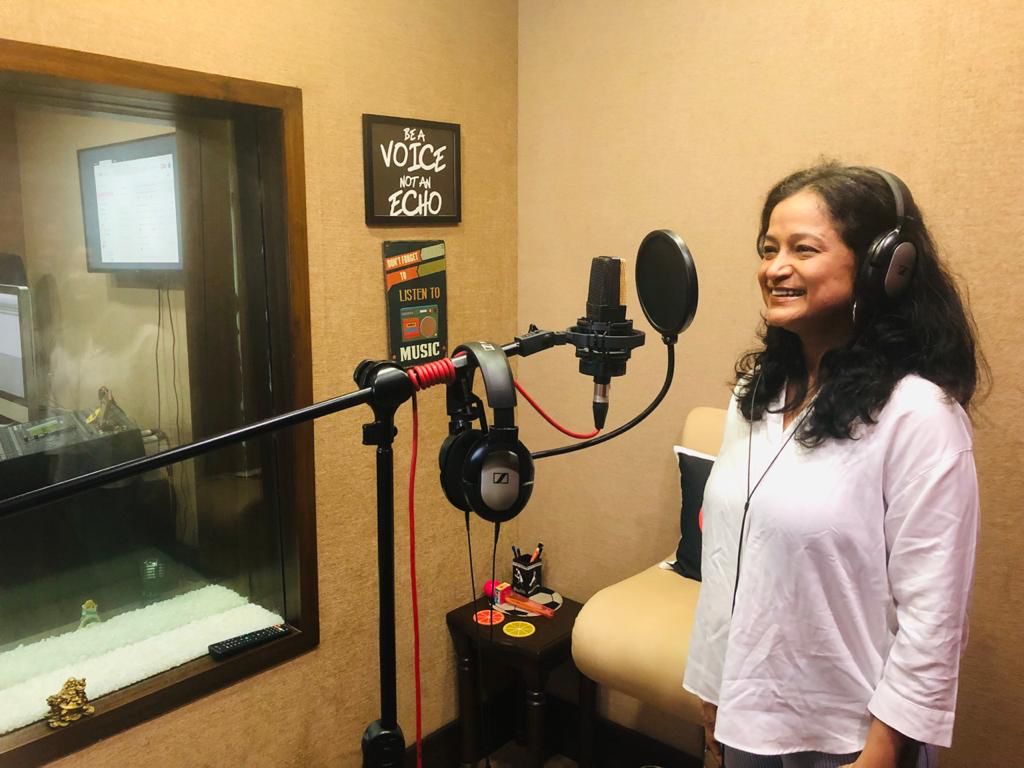
G-Corp Media does not treat AI as competition to ignore. The studio has worked on voicing and training talent for chatbots and other AI-enabled services, and has helped voice artists prepare their voice for Voice Assistant work. So the studio understands both sides: where a machine-generated voice does the job, and where a real performer is worth the extra care.
That balance matters for brands trying to decide where to spend their voice budget. A quick internal training clip might work fine with a synthetic voice.
A brand film, a product launch video, or anything meant to build an emotional connection with an audience usually calls for a real artist who can read the room and adjust delivery in real time.
What a Real Voice Artist Brings to the Table
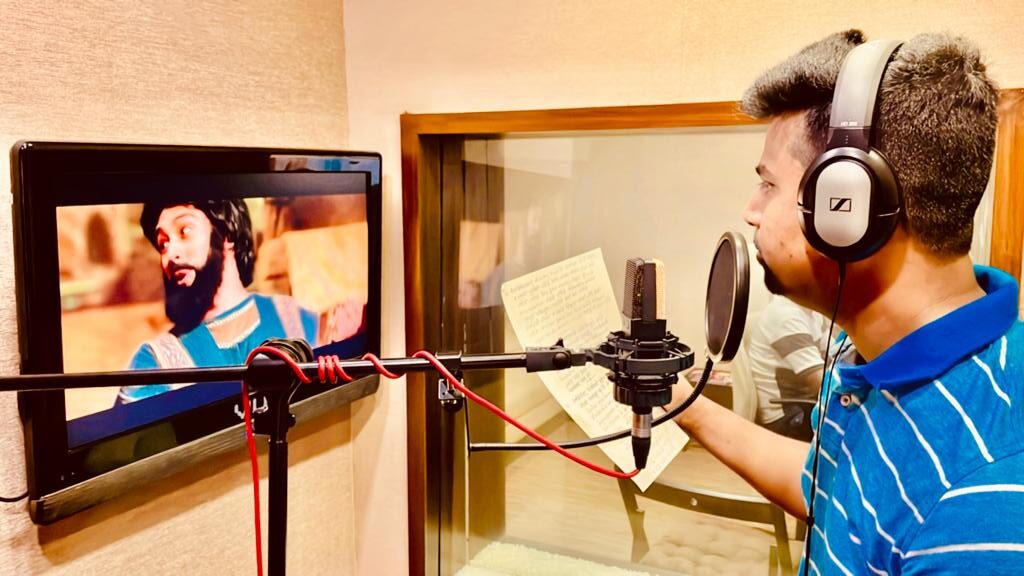
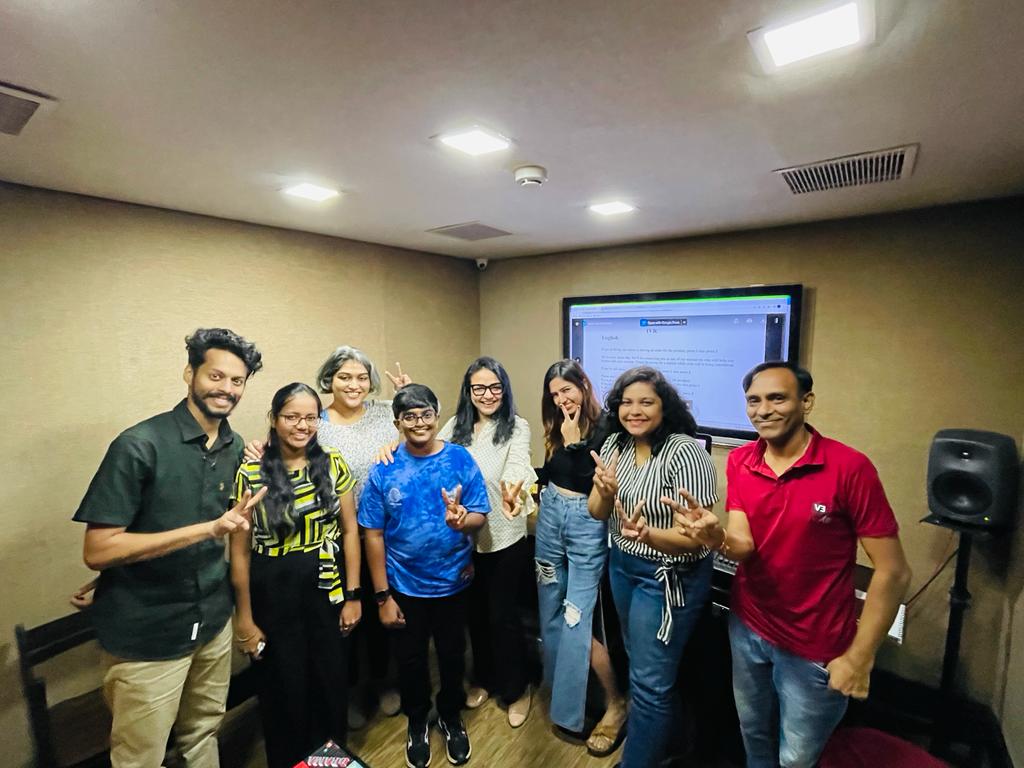
G-Corp Media has been active since 2006 and has completed more than 5,000 content creations, including over 2,000 voice-over assignments across commercials, corporate films, e-learning, explainer videos, IVR systems, and dubbing.
That experience shows up in a few concrete ways:
A wide talent pool: The studio has an in-house voice bank of male and female artists, along with fresh voices for a younger tone and trained child artists for various ages.
Choosing Between AI and a Human Voice for Your Next Project
There is no single right answer for every video. It depends on who is watching and what the video needs to do. Before choosing, it helps to ask:
For fast, low-stakes content, an AI-generated voice can save time. But for anything meant to build trust, close a sale, or represent a brand’s personality, a trained human voice still does something a synthetic one struggles to replicate it adjusts, reacts, and connects.
Final Thoughts
AI voice tools are useful, and they are not going away. But brands that care about how they sound, and how that sound makes people feel, still lean on real voice artists for their most important work. Tone builds trust, and trust is what turns a viewer into a customer.
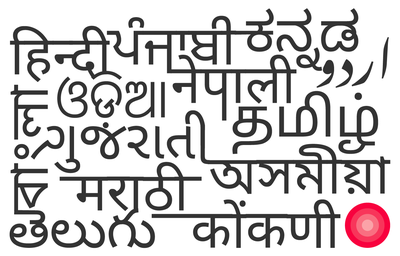
If your next project needs a voice that actually understands your brand, G-Corp Media’s team in Mumbai works across commercials, corporate films, e-learning, dubbing, IVR, podcasts, and more, in 22 Indian languages and several international languages.
Get in Touch: